

This is an edited transcript of Phil Donnelly’s video from the “Sound Advice” series, published on the D’Addario Orchestral YouTube Channel. Find out more about Phil on his website.
An Overview of recording a double bass
Recording the double bass can be challenging, but with the right equipment and techniques, you can achieve professional-quality results regardless of your budget. In this guide, we’ll explore various microphone options across different price points and share practical advice for capturing the rich, resonant sound of this magnificent instrument.
Microphone Options Across by Price Point
Budget Option: Shure SM57 (~$130/£100)
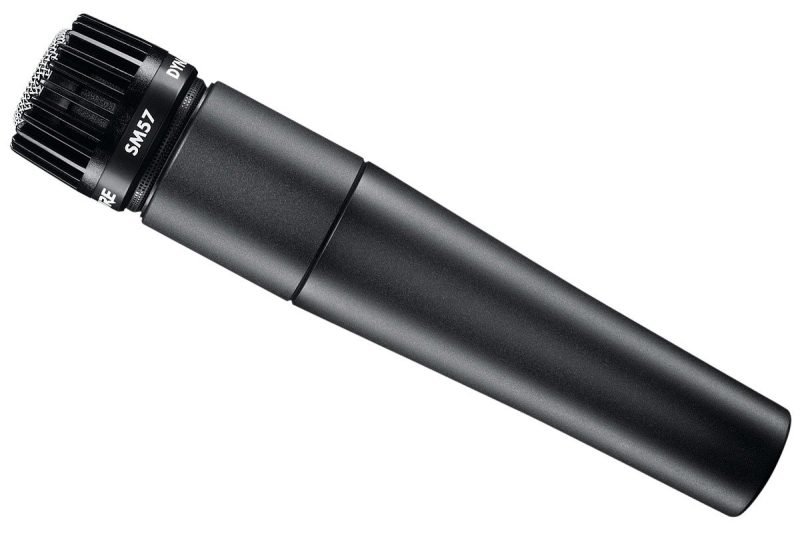
The Shure SM57 is a workhorse dynamic microphone that offers excellent value for money. When recording double bass with the SM57:
Pros:
- Direct, focused sound
- Excellent for capturing percussive elements and mid-range detail
- Less susceptible to room acoustics (ideal for untreated spaces)
- Highly durable and affordable
Cons:
- Limited low-end response (rolls off around 40-50Hz)
- May not fully capture the instrument’s depth and resonance
Mid-Range Option: Aston Spirit (~$380/£300)
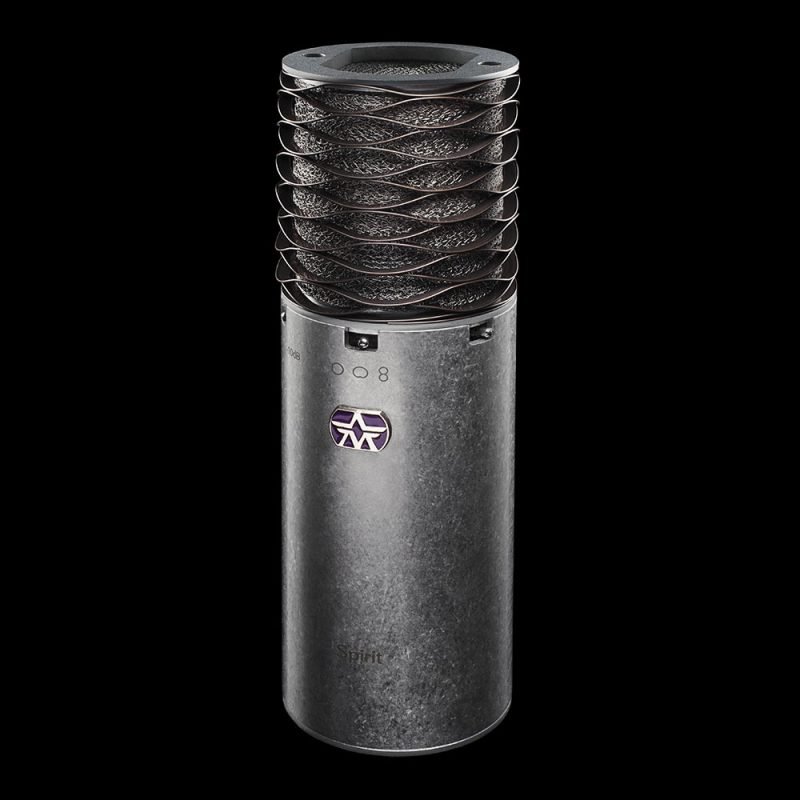
The Aston Spirit is a large-diaphragm condenser microphone that provides significantly more detail and frequency range.
Pros:
- Much fuller low-end response with information down to 30-40Hz
- Greater overall sensitivity captures more nuance
- Rich, detailed sound across the frequency spectrum
Cons:
- Picks up more room sound/ambience (requires better acoustic treatment)
- Some potentially challenging high-frequency artifacts that may need EQ
Professional Option: Neumann KM184 (~$800/£700)

This Neumann KM184 is a pencil condenser microphone that represents the professional standard for many acoustic instrument recordings.
Pros:
- Balanced frequency response with excellent low-end and detail
- “Honest yet flattering” reproduction of the instrument
- Better focused than large-diaphragm condensers (less room sound)
- Industry standard used on countless professional recordings
Cons:
- Significant investment
- Still requires some acoustic treatment
Alternative Recording Options
Smartphone Recording (iPhone)
Modern smartphones can capture surprisingly usable audio in a pinch:
Pros:
- Universally available and convenient
- No additional equipment needed
Cons:
- Heavy built-in compression limits dynamic range
- Picks up excessive room sound
- Limited low-end response
- Reduced control over placement and settings
Pickup Systems (Realist Lifeline)
Purchase from our friends at Gollihur Music.

Many double basses come equipped with pickups like the Realist transducer, which mounts in the bridge.
Pros:
- Completely isolates the instrument from room acoustics
- Consistent sound regardless of environment
- Great low-end response
Cons:
- “Unnatural” sound that doesn’t resemble an acoustic wooden instrument
- Nasal, boxy character that requires significant EQ
- Missing many acoustic details (finger sounds, bow textures)
Hybrid Approaches: The Best Value for Money
One of the most effective recording techniques combines a pickup system with a microphone:
Realist Pickup + Shure SM57
This budget-friendly combination offers surprising results:
- The pickup provides the missing low-end that the SM57 lacks
- The SM57 contributes the mid-range detail and percussive elements
- Together they create a full-spectrum sound comparable to more expensive setups
- Total investment around $300/£300 (even less if purchased used)
The key to making this combination work is proper EQ:
- Tame excessive sub-bass frequencies from the pickup
- Reduce boxy, nasal qualities in the midrange
- Add some high-frequency detail to the pickup signal
- Blend the two sources for a balanced sound
Recording Tips for Double Bass
- Microphone placement is crucial – position mics near the f-hole for a balanced sound
- Consider your playing technique – pizzicato (plucked) and arco (bowed) techniques may require different setups
- Room treatment matters, especially with condenser microphones
- Don’t dismiss budget options – creative combinations can yield professional results
- EQ can transform problematic raw sounds into usable tracks
Conclusion
You don’t need to break the bank to achieve professional double bass recordings. While premium microphones like the Neumann KM184 deliver exceptional results, creative approaches with affordable equipment can come surprisingly close. The combination of a basic pickup system with an SM57 dynamic microphone represents perhaps the best value proposition, especially for recording in less-than-ideal acoustic environments.
Remember that the most important factor is always the musician and the instrument – great playing on a great instrument will shine through even with modest recording equipment. Experiment with these different approaches to find what works best for your specific situation and musical style.
We discuss topics like this every week in our email newsletter. We also offer free monthly sheet music giveaways, community news, and cool opportunities for bass players. If you’re not on the list, consider subscribing!


