

New York City jazz bassist Neal Miner‘s double bass gear for the road and the studio.
Neal’s Juzek Double Bass
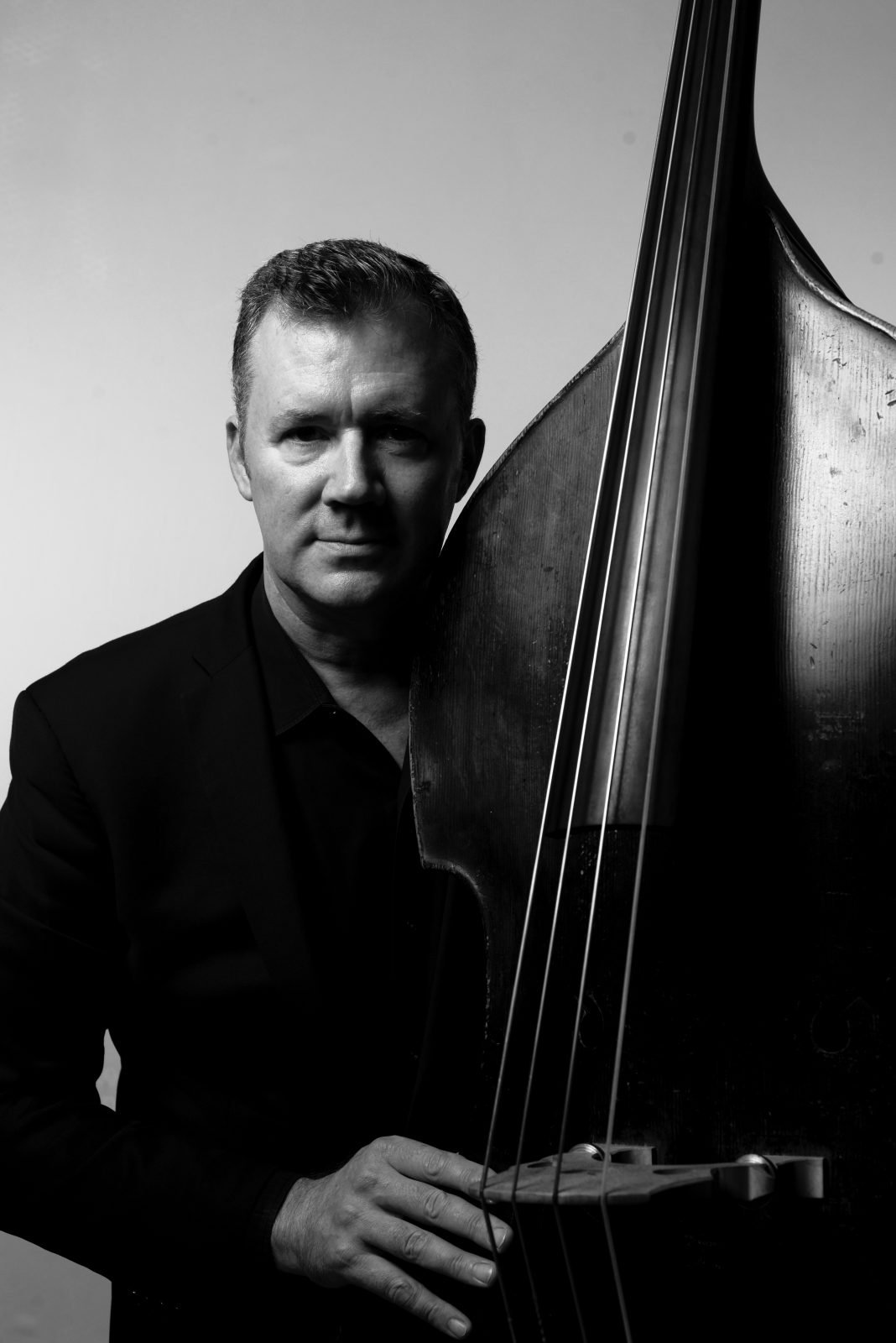
There’s something special about them, especially with pizzicato. I mean, I don’t know what’s so magical about them. And obviously they’re seasoned because they’re older. I feel like my bass is not necessarily a screaming loud bass, like maybe like an American Standard, something like a plywood that can just be super loud but maybe not have the tone that’s as delicate and complex as you were saying earlier.
Neal Miner on Contrabass Conversations
But I feel like my bass is very even and clear, and I think Juzeks have a lot of mid-range instead of just a lot of lows, which is what makes them pop out and be heard on the bandstand. Sam Jones and Paul Chambers- a lot of them had Juzeks, and you could just tell. And Ron Carter, his whole career was a Juzek.
They’re just a great combination. And there are different levels of Juzek — there’s the Jimmy Blanton one, which has a little ebony diamond on the back, and it’s got violin corners, and it’s bigger, beautifully made. I’ve always wanted one of those. But the one I have is just kind of a basic one from the ’40s, and I’m very happy with it. What I love about it also is I’m in New York, and I use the subway as my main source of transportation — it’s light, and it’s small. But it sounds big, and I don’t get complaints very often that they can’t hear it. So I’m grateful for that.
On His Favorite Microphone
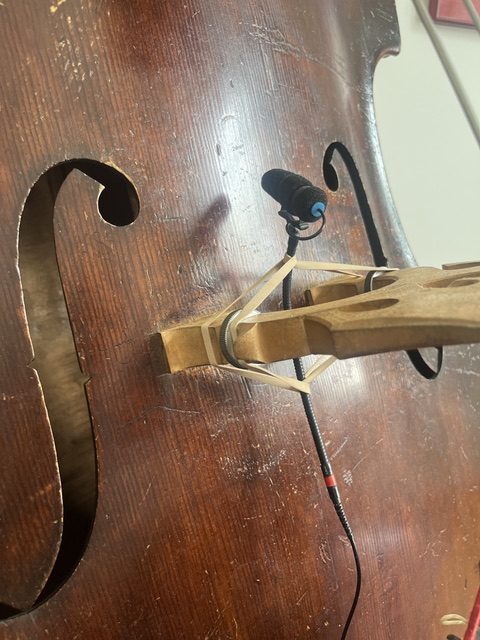
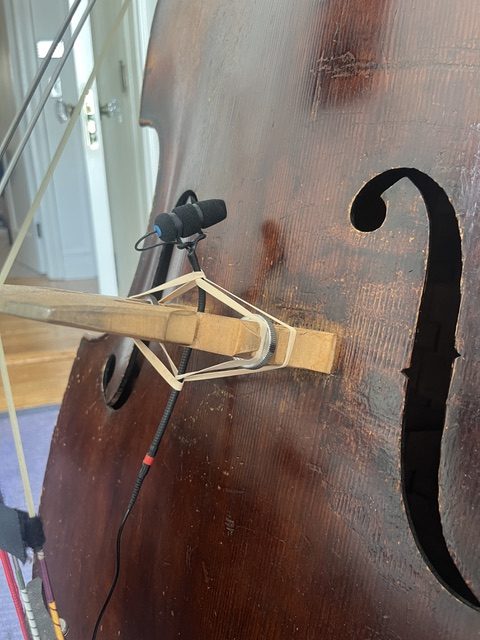
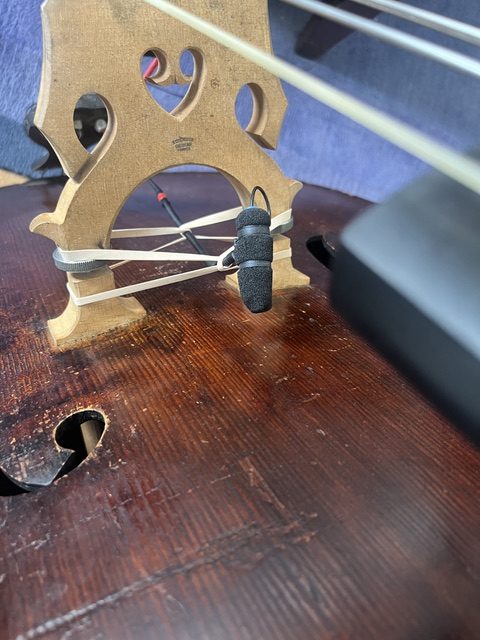
I bring the DPA, and that’s kind of the one thing I can get consistency from bass to bass. And I don’t use the rubber clip that comes with it that clips onto the lower strings — it’s a wonderful, brilliant design, but for some reason it pulls in weird frequencies.
Neal Miner on Contrabass Conversations
So what I do is suspend it between the feet of the bridge—I put rubber bands in there and suspend the DPA, and that keeps it completely free of sympathetic vibrations.
On Pickups
I don’t feel comfortable playing that way. It throws off the sound, the feel, and the length of the note, and it just changes my feel. I’m sure I would get used to it, but I really prefer the microphone, and I committed to that years ago, and it feels right to me.
Neal Miner on Contrabass Conversations
At least for the style of jazz I play. If I were playing in an incredibly loud, aggressive band, I probably wouldn’t be there to begin with. I tend to play in groups that are more acoustic or with singers, so I can get away with it.
Neal’s String Setup
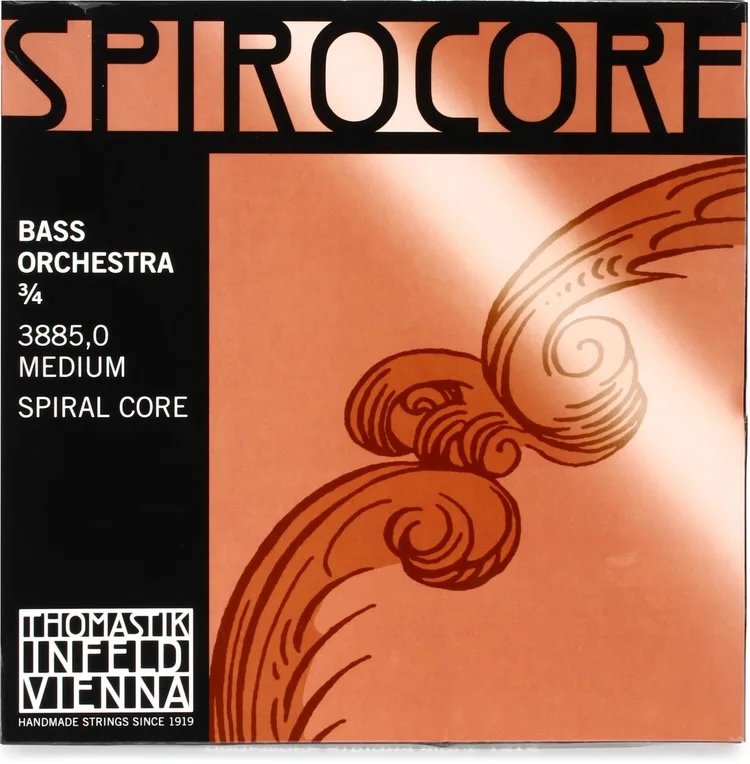
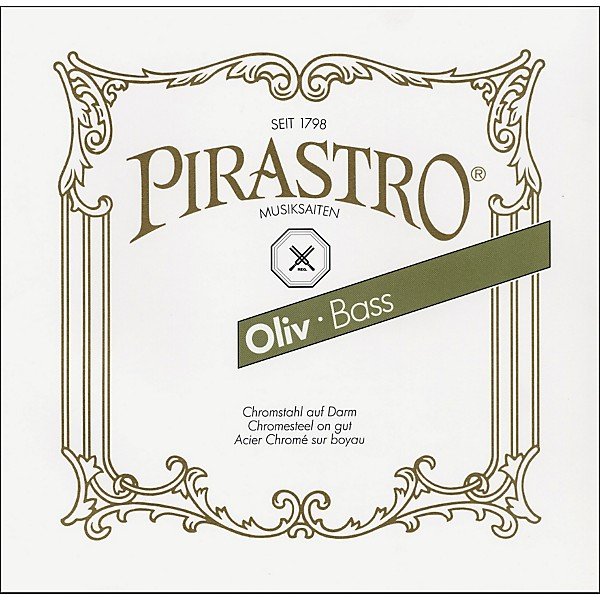
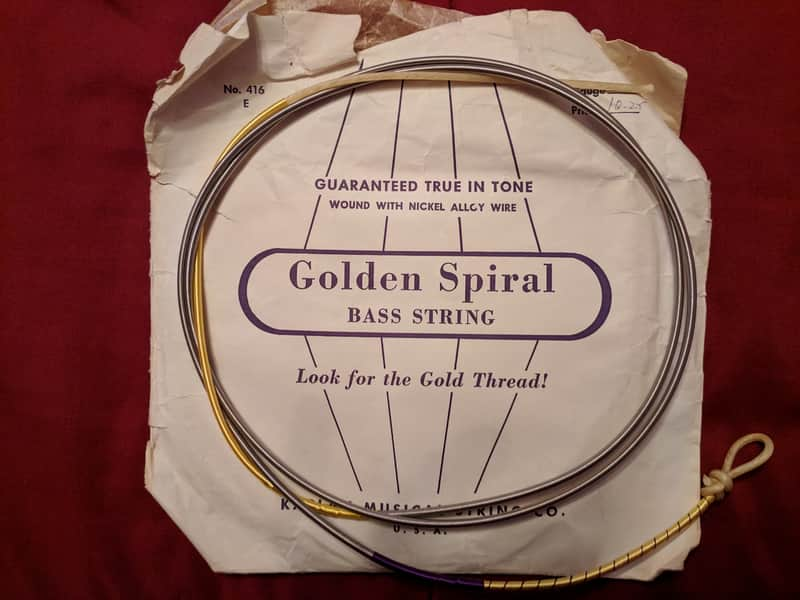
I took my bass to David Gage, because you kind of have to set the bass up differently for gut strings — a luthier needs to do a bunch of different things to make it optimal. You can’t just slap ’em on a bass that had a steel string setup. It could be too buzzy. So I had all four gut strings — the top two were plain and the lower two were wrapped in a roundwound kind of copper.
Neal Miner on Contrabass Conversations
But all sorts of problems: immediately in the summer they start turning green, your fingers turn green, they unwind, they’re super expensive, they go out of tune every second. But they have this beautiful, unique sound that makes you realize why those old records had that sound.
It comes with this price tag of just a myriad of problems. So over the years, I tried to figure out what I loved about gut strings. I found that, for me, the distinctive sound of gut strings was the D and the G. I found the A and the E low gut strings very problematic, but obviously beautifully recorded. I felt that if I had steel strings on the bottom, it was more of a consistency that I needed. Then I found I didn’t like plain gut, so I started using the wrapped ones, and that’s where the Golden Spirals came in. The D-string Golden Spiral was always too floppy on my bass, so then I found an Oliv, which is wrapped in chrome.
So in ’99 I got that whole setup — an Oliv G, Oliv D, Spirocore medium E and A. That just worked, and I just stuck with that. I haven’t changed it since. So it’s been 27 years of the exact same setup.
Listen to the complete conversation on the Contrabass Conversations podcast feed or check out our full-length article with Neal, where he touches on many other topics in his excellent new book, Jazz Melodies Just for Bass.
We discuss topics like this every week in our email newsletter. We also offer free monthly sheet music giveaways, community news, and all sorts of cool opportunities for bass players. If you’re not on the list, consider subscribing!


