

Practice Mutes for Double Bass: The Surprising Benefits (and Drawbacks)
This little rubber device is either the best or worst thing for my bass playing. I’m honestly still not sure which. But after using practice mutes for decades, I’ve discovered they’re far more than just a tool for keeping the neighbors happy.
From Necessity to Practice Tool
For years, I only used a practice mute out of necessity: thin-walled apartments, hotel rooms before auditions, or any situation where full volume wasn’t an option. I thought of it as a purely pragmatic compromise. A way to practice when I couldn’t really practice!
But over time, something changed. I realized this humble piece of rubber was actually improving certain aspects of my playing. Today, I use a practice mute regularly, even when I have the freedom to play at full volume. Here’s why.
The Obvious Benefit: Volume Control
Let’s start with the primary reason most of us buy a practice mute in the first place. The difference in volume is remarkable! When you slip one of these on your bridge, the sound drops dramatically. Enough that you can practice in an apartment without disturbing neighbors, rehearse backstage without seeming like you’re showboating, or give your housemates a break from hearing scales for the hundredth time that week.
But here’s the psychological benefit I didn’t anticipate: knowing I’m not bothering anyone allows me to really sink into the bass and pull out the fundamental without holding back. When you’re worried about disturbing others, you unconsciously restrain yourself. The mute eliminates that worry entirely.
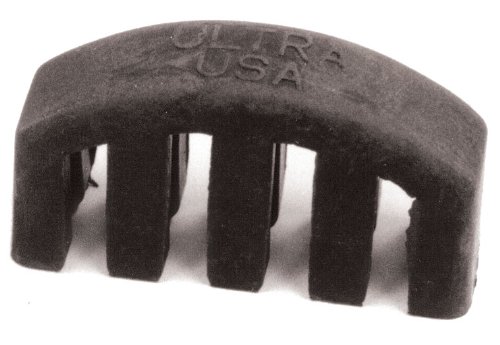
A heavy-duty double bass practice mute!
The Unexpected Benefits
1. Laser Focus on Fundamentals
With all the upper frequencies stripped away and the beautiful resonance of my bass removed, something interesting happens: I focus almost exclusively on rhythm and pitch, the basic building blocks of music.
That dry, muted sound forces me to concentrate on the essentials. I’m not getting caught up in the way my bass sounds. I’m thinking purely about whether notes are in tune and rhythmically precise. There’s clarity in that simplicity that I find incredibly helpful.
2. Building a Bigger, More Powerful Sound
This seems counterintuitive, but practicing with a mute helps me develop a richer, fuller tone. That deadened sound encourages me to work harder and get closer to the bridge, to really focus on extracting the fundamentals from the instrument.
When I practice with a mute for a considerable amount of time and then remove it, I immediately notice I’m producing a more powerful core sound. It’s like strength training for your tone production.
3. Preventing “Sound Hypnosis”
Here’s something I didn’t expect: the practice mute keeps me from getting lost in my own sound. I love the sound of my unmuted bass. Who doesn’t enjoy the sonic qualities of their instrument? However, I’ve noticed that when I practice without a mute for extended periods, I can become so engrossed in listening to the upper frequencies and basking in the resonance that I lose track of time!
The problem? When I record myself after these unmuted practice sessions, my sound isn’t as consistent as when I’ve been practicing with a mute regularly. The mute keeps me honest, preventing me from prioritizing beautiful sound over technical consistency.
The Drawbacks: What You Need to Watch Out For
As useful as practice mutes are, they have their downsides. Here are the pitfalls I’ve learned to watch for:
1. Forgotten Dynamics
With the muted sound, I find myself playing everything at mezzo-forte to forte. The reduction in frequencies somehow makes me forget about dynamic contrast. This is a bad habit, whether you’re using a mute or not, but the mute definitely exacerbates it for me.
2. Losing Touch with Tonal Subtleties
When I practice exclusively with a mute, I tend to turn off the part of my brain that connects with the subtleties of sound production. I forget about all the nuances that go into creating a good tone: the bow angle, the contact point, and the subtle adjustments that bring out beauty.
The solution is simple but requires discipline: make sure you’re also practicing without the mute. Schedule dedicated time for unmuted practice, or you’ll risk losing touch with the very thing that makes the bass such a beautiful instrument.
3. The Volume Surprise
This one’s a bit silly, but it’s real: when I practice with a mute all the time, I almost get surprised, or even startled, by how much sound my bass can actually produce. I become so accustomed to that dry, informational sound that when I remove the mute and play for someone, I’m almost taken aback by the volume and resonance.
This means if I’m practicing with a mute right up until a performance or audition, I need transition time. I need to spend some time practicing without a mute to get reacquainted with my bass’s actual sound and volume before stepping on stage.
My Current Practice Routine
These days, I incorporate the practice mute into my regular routine regardless of my living situation. It’s become a deliberate practice tool rather than just a necessity. The key is balance: using the mute for focused technical work while also ensuring I have plenty of unmuted practice time to work on tone, dynamics, and all those beautiful subtleties.
A Note on Equipment
I use an Ultra practice mute (the rubber ones that seem to be one-size-fits-all for 3/4 and 7/8th size basses). I’ve never had one wear out on me. I lose them because, well, I’m the kind of person who loses small items like mutes. If you have a five-string bass, you may need to explore other options, but for standard four-string basses, these work reliably.
Is It Right For You?
Is a practice mute the best or worst thing for bass playing? The answer is: it depends on how you use it. As a crutch to avoid developing a true sound concept, it’s limiting. As a focused practice tool combined with regular unmuted playing, it’s genuinely beneficial.
This goofy little piece of rubber has saved my bacon so many times that I’ve become somewhat addicted to it. Just remember: the mute is a tool in your practice toolkit, not a replacement for learning to produce a beautiful, powerful sound on your instrument.
We discuss topics like this every week in our email newsletter. We also offer free monthly sheet music giveaways, community news, and all sorts of cool opportunities for bass players. If you’re not on the list, consider subscribing!


