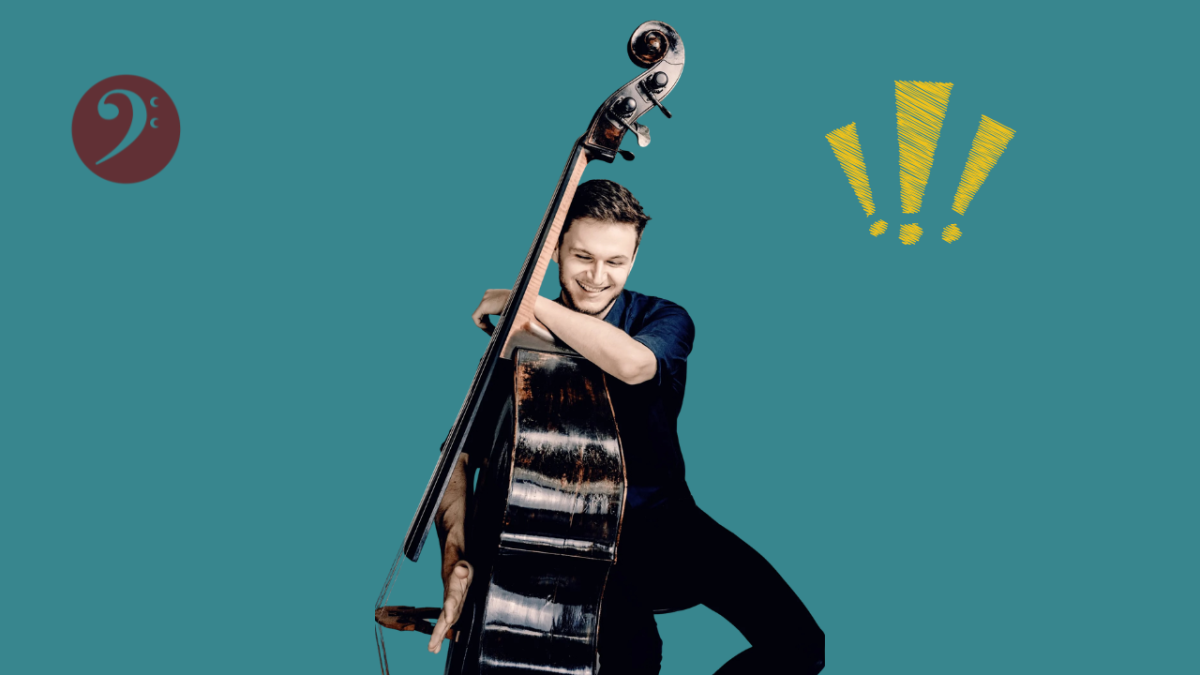
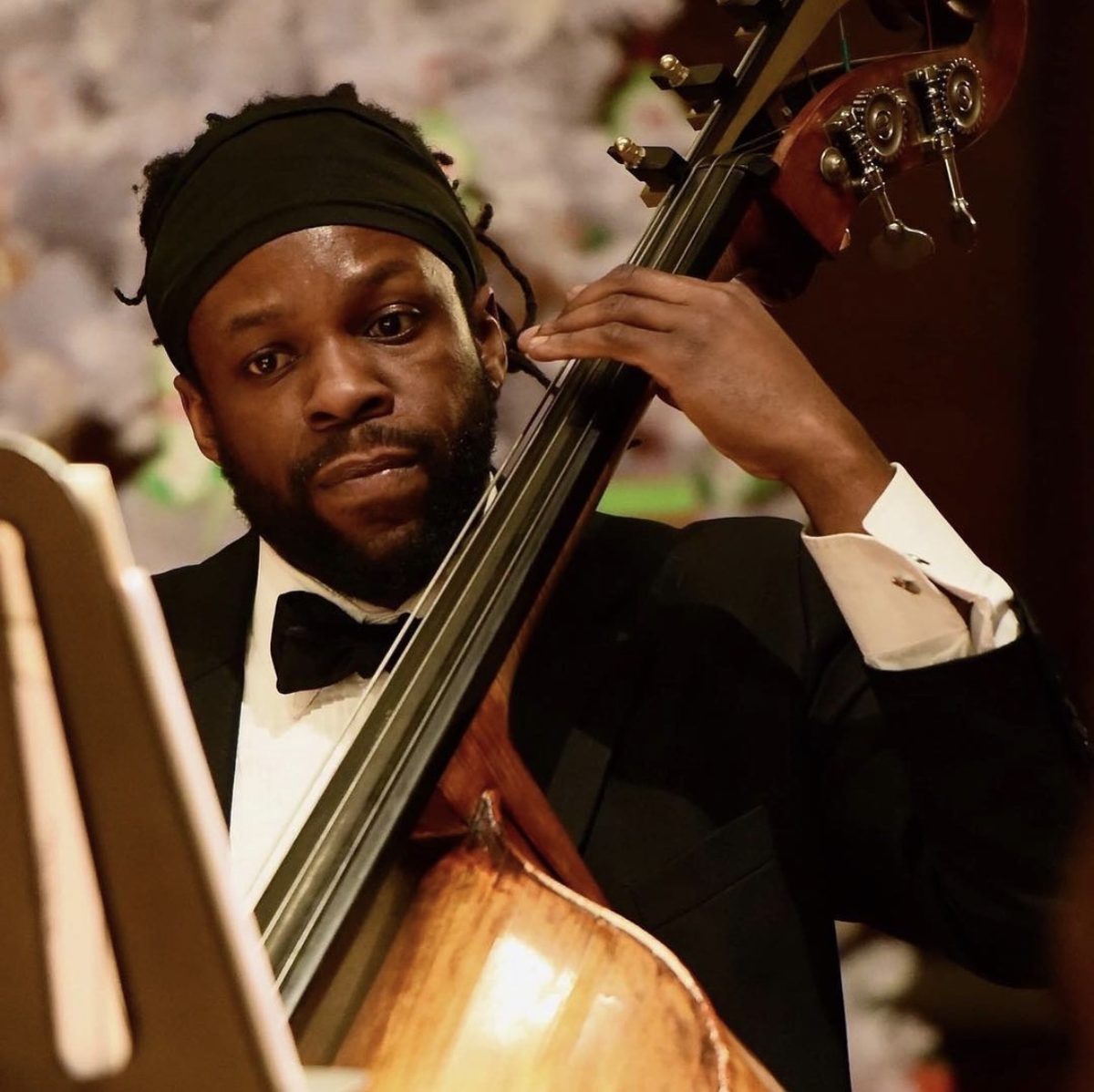
Chris Johnson is a New York–based bassist, educator, and creative force whose career spans the Sphinx Virtuosi, New York City Ballet, the Philadelphia Orchestra, the New York Philharmonic, and a wide range of chamber, commercial, and recording projects. He is also the founder of Strauss Hauss, a concert series that brings music, food, and conversation together while placing artists and community at the center.
In this conversation, Chris shares how Project STEP and New England Conservatory launched his life in music, why touring changed his view of the world, and how Burning Man inspired him to dream on a larger scale. We also dig into audition preparation, freelance life in New York, learning from musicians such as Xavier Foley, Joe Conyers, and Hal Robinson, and Chris’s vision for building a musical community that compensates artists more generously. Enjoy, and be sure to follow Chris on Instagram!
This interview has been edited for clarity.
Strauss Hauss: Where Music, Food, and Talk Shows Collide
Jason: I reached out because I saw that great article in the International Society of Bassists Bass Journal Bass World (Vol. 48, No. 3) about the work you were doing at Strauss Hauss.
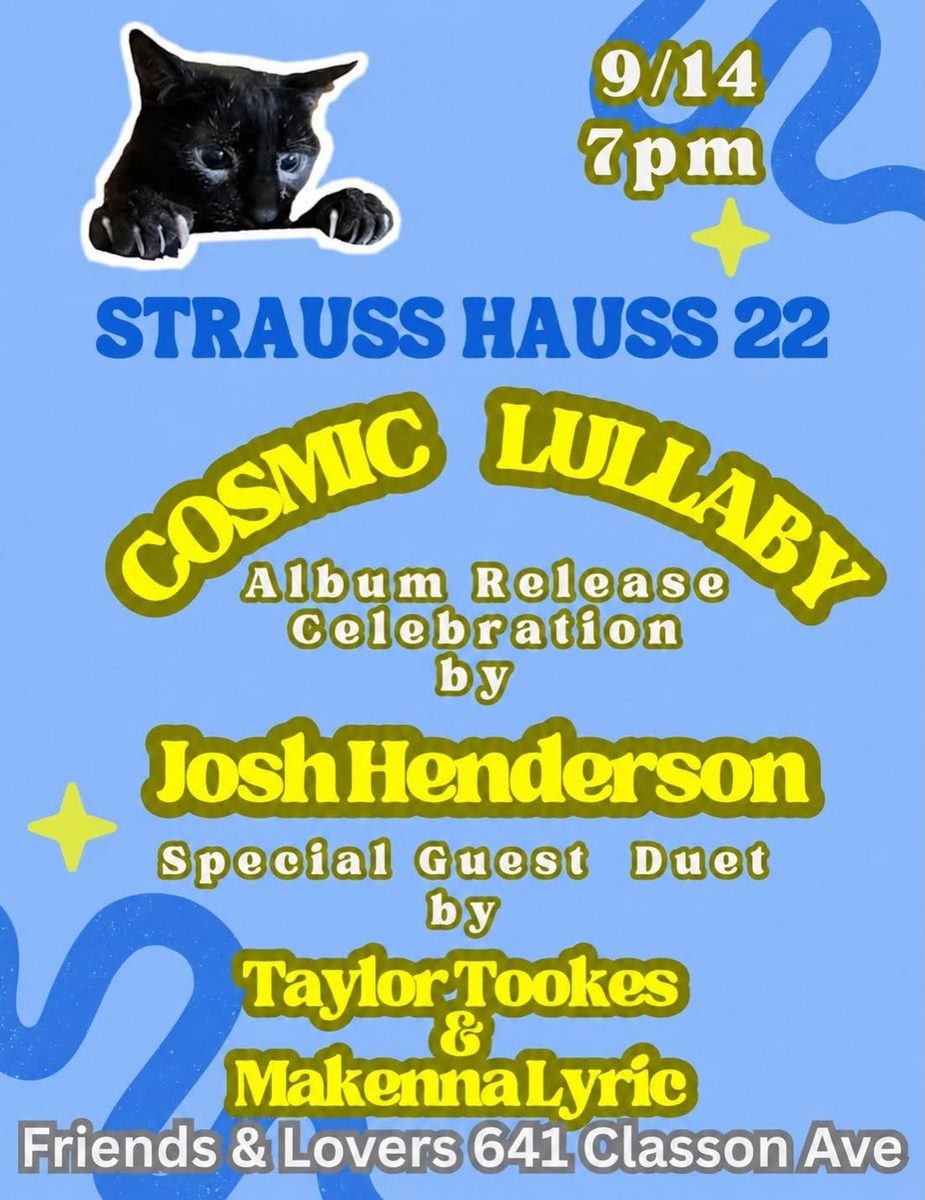
Chris: I believe I started in 2024 with Strauss Hauss, in like February or January of that year. I just always wanted to do a concert series in my basement. I had the perfect space for it, and yeah, that was just the time to get started.
Jason: So it’s like a culinary music—
Chris: Yeah. So as a child, I always loved cooking. All my siblings, all my family members — I would wake up and make you pancakes on your birthday, cupcakes on your birthday. I always loved grilling as a kid, just playing with the fire, the propane tank. And then talk shows — I watched a lot of talk shows as a kid. Then, at age seven, I started playing bass. So music has been involved in my life since age seven. I always loved to cook, and then the talk shows. So those are like the three parts of Strauss Hauss.
I cook food—there are always two meat dishes, and then something for vegetarians or vegans. So like the next show we have, I’m doing jerk chicken with a Chipotle barbecue lime sauce, and then we’re doing seafood soup, and then we’re doing Impossible Beef chili with cheese on the side for the vegans. That’s one of my favorite menus. I’m looking forward to cooking it, serving it, and seeing the smiles on people’s faces.
And then the music — I try to have variety. I love opera singers and country singers, but we’ve had comedians, rappers, lyricists, storytellers, and poets. I’m open to whatever is possible.
Jason: Oh, that’s so cool. I’m now officially hungry after hearing that menu. How does it all come together at the venue?
Chris: The sets are about 20 to 30 minutes long, and then we serve food in between the sets — drinks at the bar where we hold it, Friends and Lovers. We also have a DJ who plays music while people enjoy the food and get ready for the next set. It’s been a fun process. I enjoy doing it and definitely wanna keep going, and I hope to grow it even bigger.
Jason: That’s awesome. I love when people pull multiple disciplines together — and the culinary arts are art. It’s ephemeral; it disappears. But in a way, that’s also what music is, right? It’s this thing you experience, and you have to be there in the moment to really get it.
Chris: Definitely. And with Strauss Hauss — when I show up at a gig now and see people that have played Strauss House, there’ll be four or five people on the gig who’ve been through it. That feeling of building community just feels great. They’re excited to see me, I’m excited to see them.
Growing Up in Boston: Project STEP and the Bass
Jason: Did any instrument come before bass, or like how did bass pop on the radar for you?
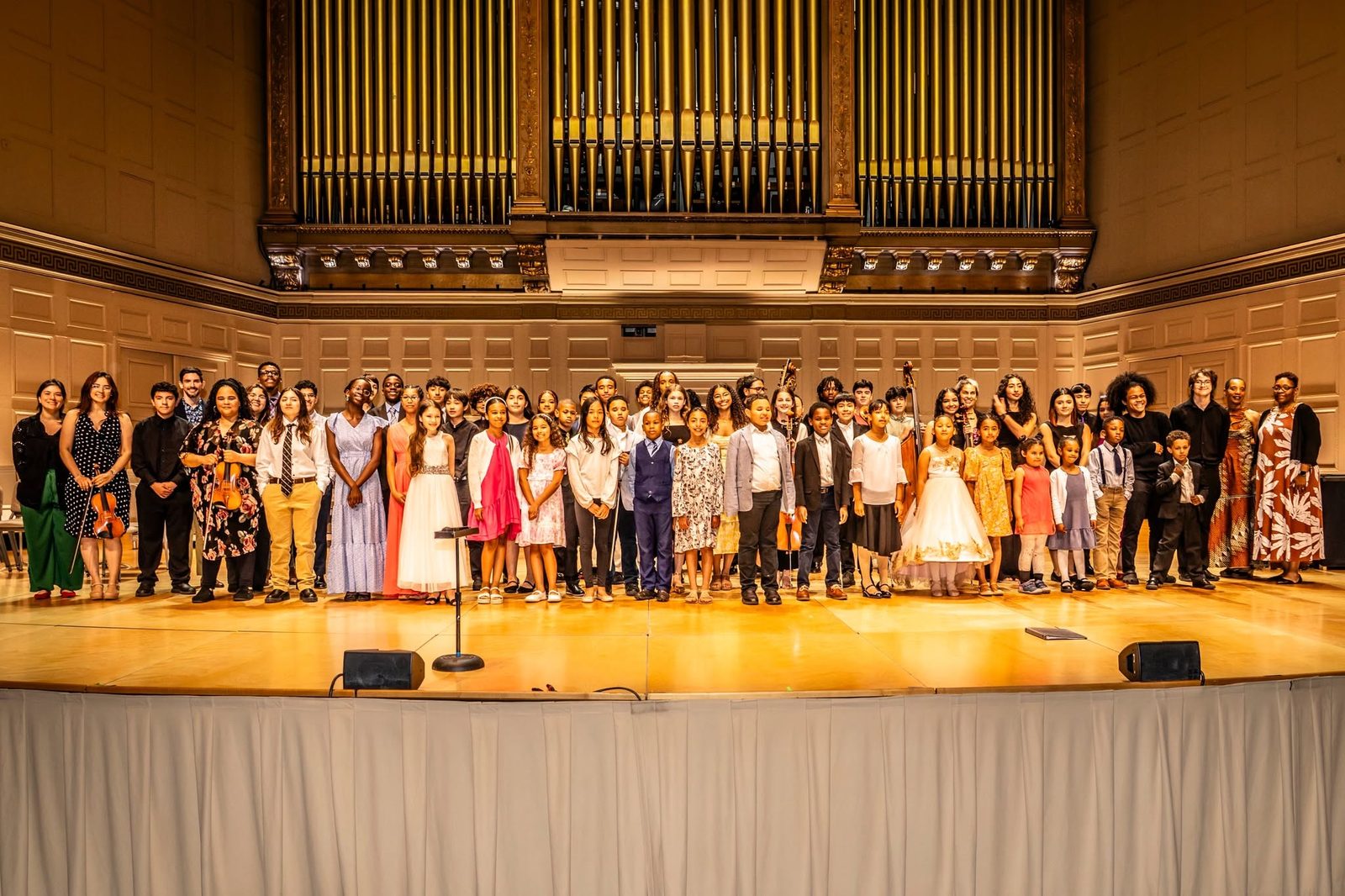
Chris: So I grew up in Boston, in a program called Project STEP — String Training Educational Program. My older brother Kirk was one of the original members. So I’m at New England Conservatory every Saturday with him while he’s playing, just kind of picking things up. And then they introduced violin, viola, cello, and bass.
Once I saw the bass, I was like, “That’s what I wanna play.” It’s the biggest one, with a deep tone; the coolest kids were playing bass. So they gave me a cello for six months before they’d give me a bass. And during the lesson, I’d tell them, “It’s okay. In six months I’m gonna have my bass anyway. I’m glad you’re teaching me this stuff, but I can’t wait.” And after a while they were like, “All right, we have to get him a bass.” And that was that.
Jason: Was there ever anything else for you—like the cooking —or did music just become it?
Chris: Well, as a child, I always wanted to do something with TV. And food always. But with music — I think it was 1999 with Aaron Koola at NEC Prep School. We did a tour to Italy, and the travel itself really opened my eyes. I’d been to Jamaica and Canada to visit family before that, but I hadn’t traveled much in Europe or Central America.
After I started traveling and getting a chance to see the world, it really opened up my eyes to different cultures, how different people live, how they eat, how they dress, how they dance. That stuff always sparks curiosity inside of me. Music helped to elevate the travel, so I was definitely locked in after a couple of tours.
Jason: Isn’t that cool how music can be like that key that opens things up? I don’t think I would’ve done any of the traveling I’ve done in my life without it.
Chris: Exactly. Yeah. Like most of the places I’ve been in this world are because of music. Even going to Burning Man was because of music — that’s how I was invited. And if it wasn’t for music, I don’t know what I’d be doing, to be honest. It’s done so, so much for me that I can’t imagine doing anything else.
Burning Man: Humanity, Creativity, and the Temple
Jason: You brought it up, so I have to ask — you’re officially the first podcast guest I know who’s been to Burning Man.
Chris: A lot of people from the Bay are at Burning Man — a lot of Oakland, a lot of San Francisco people. But there’s a big New York community there as well. When I first went, there was a lady who had three different meetings with me, trying to convince me to come play in this orchestra. She said, “I have a gig for you, but it doesn’t pay anything.” I’m like, “What are you talking about?” But she just kept meeting with me.
That year I premiered Jagged Little Pill at the ART in Boston — I was doubling, playing bass and electric bass, had a costume on, and did a little bit of acting in the show. This was the biggest check I ever had in my life — for three months in Boston. So I had a little surplus of cash. I’d tried to invite my ex-girlfriend to Jamaica, she said no, so I was like, “All right. I guess I’m going to Burning Man.”
Everyone tells you what Burning Man is supposed to be, and the people who tell you have never actually been. What I was told it was supposed to be was drugs and sex. So I was like, “All right, I’ll go for a party.” But what I learned when I got there — it’s much more than that. The level of humanity that I experienced out there compares to nothing else. People’s creativity with what they build, what they weld together—it’s unmatched anywhere I’ve seen in my life.
When I got there, I knew I was playing in the orchestra, but there were three orchestras. I was not expecting to see three orchestras. Then, on my first Wednesday there, I left my water at camp—and you need water out there in the desert. I’m riding back, and my body seizes up; I have to walk. And I get to the temple and I see three weddings happening. I’m like, “What is this place?” People are coming there to get married. You see people flying in with parachutes, flying in with planes, and just the decorations. The first night you get there, you better have your lights set up, because when that sun sets, and it gets dark, and you see all the lights and what people are doing — there’s no other place in the world like that.
I remember the first year in ’23, when it was the mud burn, and it rained hard—the way people looked out for each other. I’d never seen anything like that. Everyone just looking out for each other, really peaceful: “Hey, are you good? Do you need water? Do you need to take a shower?” The things that divide us just kinda all go away.
Jason: What’s the experience like reentering society after?
Chris: The last day of the ‘Burn there’s a sadness. It’s like the feeling you get at the end of summer camp — when that summer’s over, and you don’t wanna leave. When you get back to regular life, where there are no lights, no self-expression, where everybody focuses on dividing and being the things that make them unhappy.
Out there you get rewarded 10 times over for being yourself.
They burn the Man on Saturday, and everybody goes crazy—fireworks, loud music, everybody dancing. And then they burn the temple on Sunday, and everybody’s just completely silent. It’s a powerful moment. During the week, a lot of people go to the temple and write things on the wall about loved ones from the past, people who passed away, issues they’re going through.
People leave gifts, ashes — mother’s ashes. So many stories you can read on those walls. And then you reflect on your life, and you might shed a tear or two.
Burning Man has a space for you to kind of let stuff out — things that are on your mind that you tuck away. You’re disconnected from the phone, you’re not spending money for a week. You just get a chance to release and really reflect.
Jason: Any advice for someone who’s never been?
Chris: Don’t try to fight the natural forces. If you’ve never driven a car, don’t take directions from someone who hasn’t. Go to the source, find somebody who’s actually been there. Because yeah, it’s hot, it’s in the desert, it’s dusty. But there’s a reason why there are 80,000 people out there — some of the most interesting people in the world.
There’s a church out there, a temple, Buddhists, a space for Jewish people, standing for Christians, for Catholics. There’s literally everything out there. How do you describe what chocolate tastes like to somebody who’s never had chocolate? You just gotta go try it for yourself.
Strauss Hauss’s Bigger Dream: Paying Artists What They Deserve
Chris: One of the things that’s always troubled me in the music industry is that the door guy makes more than me. The admin is making more than me. But when I was at Project STEP, what drew me to the bass was the bass and the musician playing it— so why isn’t that person making the most money? It literally boggles my mind. So I’d rather try and do something about it.
The dream for Strauss Hauss is to stream it live and take live donations. I wanna pay somebody $5,000 for a 20-minute set from donations alone. So you can say, “I paid you $15,000 an hour.” Because right now it’s more losses than wins, but the passion’s always there. When the artist comes to me after the show and says, “Thank you,” I’m like, “I’m not paying you what I wanna pay you right now.” But they seem to appreciate the community and what I’m building, and now I feel responsible for them.
I applied for the MPower Grant from Sphinx, and without that grant, things would’ve been much harder. It helped me get some equipment to provide a better experience for the musicians and the audience. The way I’m looking at it is — the artist first, then the audience, then whoever’s helping me make it go.
It’s great now when people I’ve never even met are reaching out from different states saying, “Hey, can I perform at Strauss Hauss? I might be coming through New York.” Something’s going in the right direction. It’s not perfect yet, but we’re getting there.
From NEC to New York: Auditions, Focus, and Life Getting in the Way
Jason: What did 19-year-old Chris have in mind if you fast-forward?
Chris: Like, I’m at NEC and I’m thinking — I live where one of the top five orchestras are. Whoever my teacher is —Don Palma, Todd Seawell, Ed Barker—if I’m around those people and soaking up all the information, I’m just thinking, “Yeah, I want a job, whatever.” Thinking it’d be easy.
You have to win a job when you’re a kid because you have the time to lock in. But to be young again, you know? I’ve won some auditions, won some competitions. But I remember the type of focus I had, and it’s hard to do now with life — relationships, family, people get sick, pandemics, you get a cat. Stuff happens.
Jason: David Allen Moore once told me he thought the most interesting question is how does somebody win a job when life has already taken over? Because it’s not that you can’t do it at 35, but you’ve got the cat, you’ve got the pandemic.
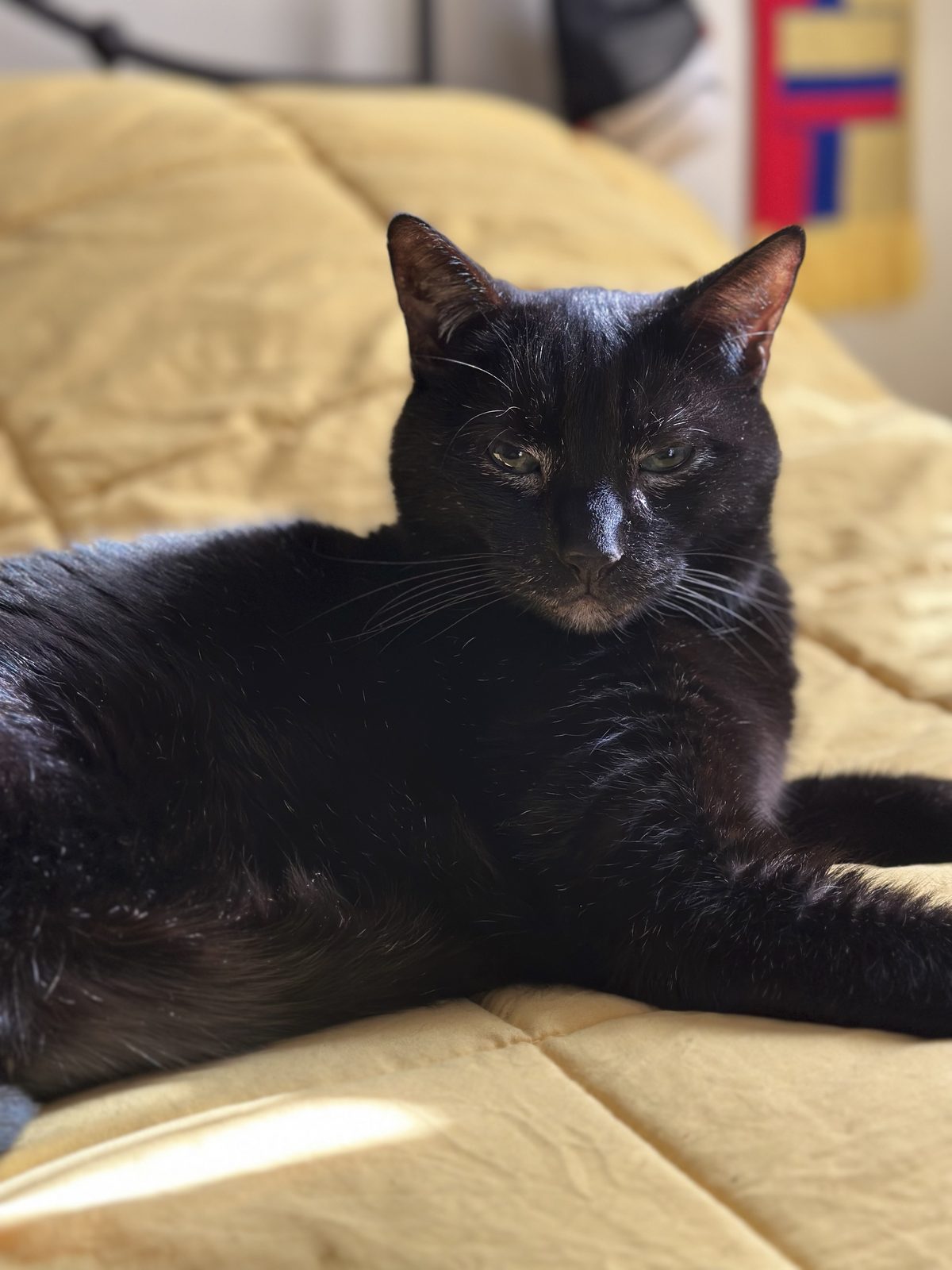
Chris: When I lock in, it’s like pencil, metronome, tuner, all the excerpts in the book, you’re recording yourself, listening back and taking notes. This is till 2:00, 3:00 in the morning. This is five, seven hours of your day, ten if you’re lucky. And it’s pretty much foolproof — but you have to be selfish. You have to get a certain amount of sleep, wake up, stretch. It’s a sport. And you have to play for people as well, because when you walk in there, there has to be no fear. The mistakes have to sound good. You have to know every mistake you might make and how to correct it.
There’s one thing Tim Cobb had me do: he grabbed the bow with three different fingers and played the excerpts that way. Just taking the time to do things like that, taking the time to do your warmups, not starting your practice cold. It’s a different mentality of locking in. But if you’re chasing this girl, priorities change, unfortunately. Stay focused, kids.
Community Over Competition: Xavier Foley, Joe Conyers, and the Humbling of Chris Johnson
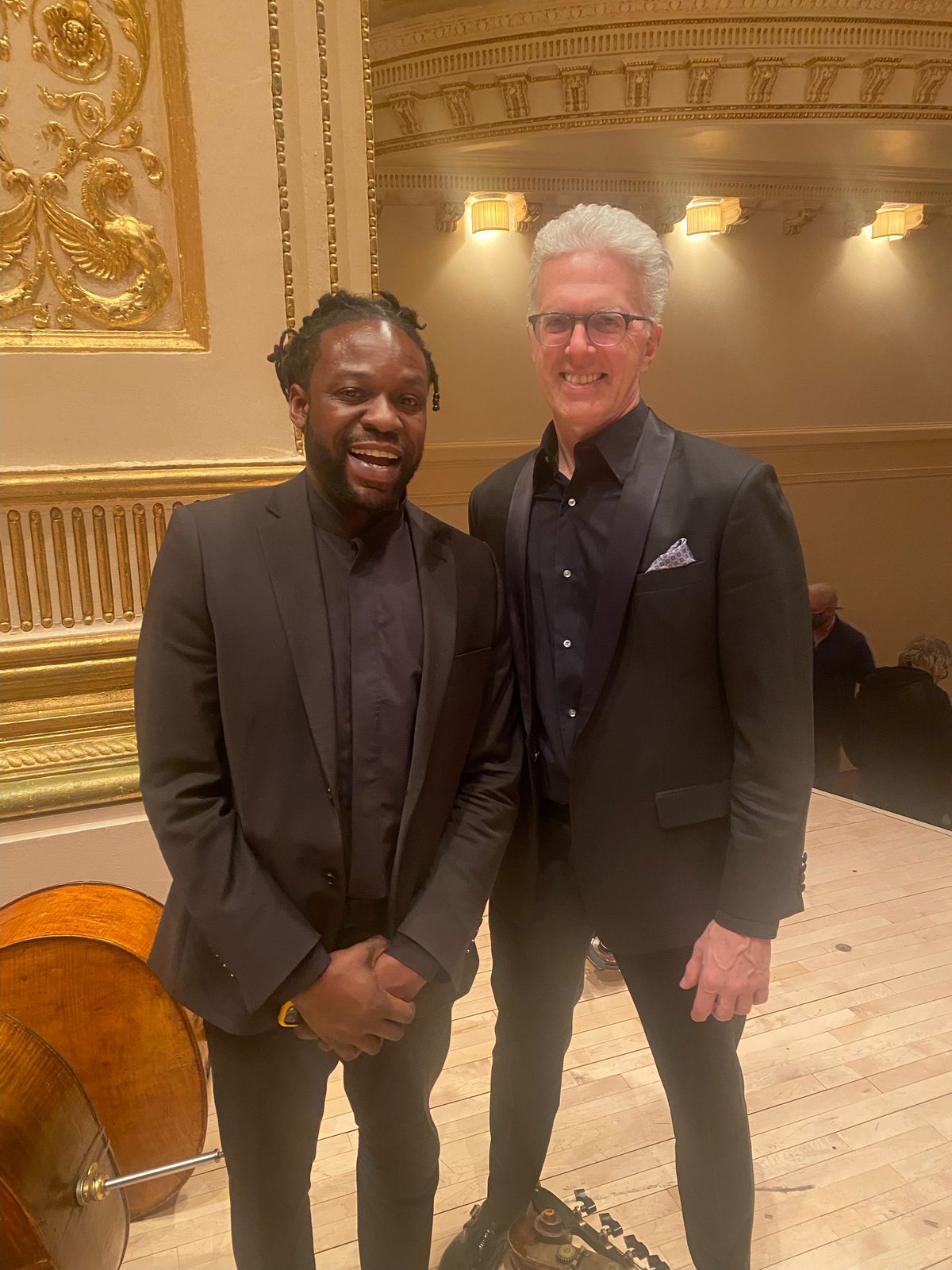
Chris: What I’ve learned over the years — I used to play with a band called Pitch Black Brass Band, and then touring with JP Jofre, a bandoneón player, like touring with friends, with people you wanna be around. There are orchestras I show up at where these people don’t like each other. The job’s cushy, you got the 401K, the benefits, your kids can eat. I get that. But there’s something about wanting to be around my friends. When we show up at Sphinx Virtuosi, it’s not “Hey, how’s it going?” — it’s a hug. A Burning Man hug. Heart to heart, chest to chest. Those are the people I wanna strive to be around.
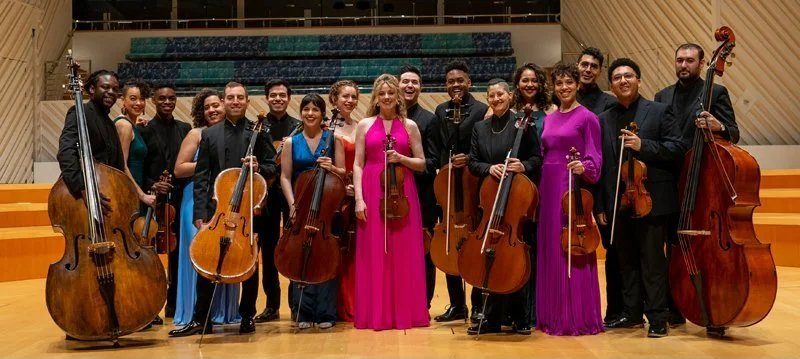
When I was at NEC, every other school was the enemy. It was Don Palma and me against the world. Then, at Manhattan School of Music, it was Tim Cobb’s studio and me against the world. And then I met Xavier Foley. There was nothing I could do that he couldn’t do. And the kid’s incredible — really humbled me, being about 10 years younger than me.
We’re on tour with Sphinx, we do a show in Boston where I’m from, my mom is at this show, and me and Xavier are kind of bumping heads at the time — two different frequencies. And he does this self-written piece, a solo with the 17-piece orchestra, and he kills it, because it’s Xavier. But the way my mom jumps out of her chair for the standing ovation — she might have been the first one up. I’m like, “Yo, Mom, calm down.”
But that was the most humbling experience for me. Bass wasn’t competitive for me anymore. I realized if I’m gonna do this, I gotta love it. There’s no more competition. I’ve been humbled.
And it was for the better — it kinda took the pain out of my arm in a way. When you’re competitive like that, you’ll go crazy on the bass until you get carpal tunnel or something. But it made me actually enjoy playing in orchestra and chamber. Thank you, Xavier.
Goosebumps, Hal Robinson, and Playing with the Best
Jason: Did you have a moment where you knew this was what you were doing?
Chris: A couple of moments. Cuba wasn’t really open to America at the time — I think it was 2001. I’m on tour with the Youth Philharmonic Orchestra at NEC. We flew into Jamaica to get to Cuba, met all these Cuban musicians, and started El Sistema. I just found a picture of Dudamel and me in my photos. If I ever get a chance to sub with him, I gotta get him to sign it.
The energy in the room was crazy; everybody was super in love with classical music. And the conductor comes out with a cigar in his mouth, Speedo and a robe, a little tipsy, and says, “Children, we can live like this for the rest of our lives.” I’m like, “Really? Yes. Yes, please.”
But there was also a moment on that tour — we’re playing Ein Heldenleben, and the theme comes back around, and this is the first time I’ve been playing — I’ll give you the PG version — but goosebumps just come all over my body. I could not believe I could get this feeling from music. And I’m like, all right. Physically, this told me this is what we’re doing now. Like when you get goosebumps, when everybody’s hitting, and all cylinders are firing at the right time. That moment really meant a lot to me.
Jason: I just had one of those moments in the last six months — we did a condensed Ring cycle, Simone Young conducting. I so rarely get to play Wagner. And to play it with a big orchestra with all the Wagner tubas and hit some of those Götterdämmerung moments — I was just like, oh yeah, music can do that. It doesn’t always do that every day, but it did that day.
Chris: I have a lot of those moments from summer festivals. At Tanglewood, there was a conductor — terrible that I’m forgetting his name —, but he had us all breathe together at rehearsal, and when it actually happened at the concert, it was like, “Oh, wow.” That sense of community that I love about everything.
And at PMF — that’s where I first met Hal Robinson. He just showed up with a bow and a pack of strings, threw himself on any bass, and did his thing. His birthday’s around that time, and he did a solo for his birthday. Just wow. Those high school and college moments have been some of my best musical memories.
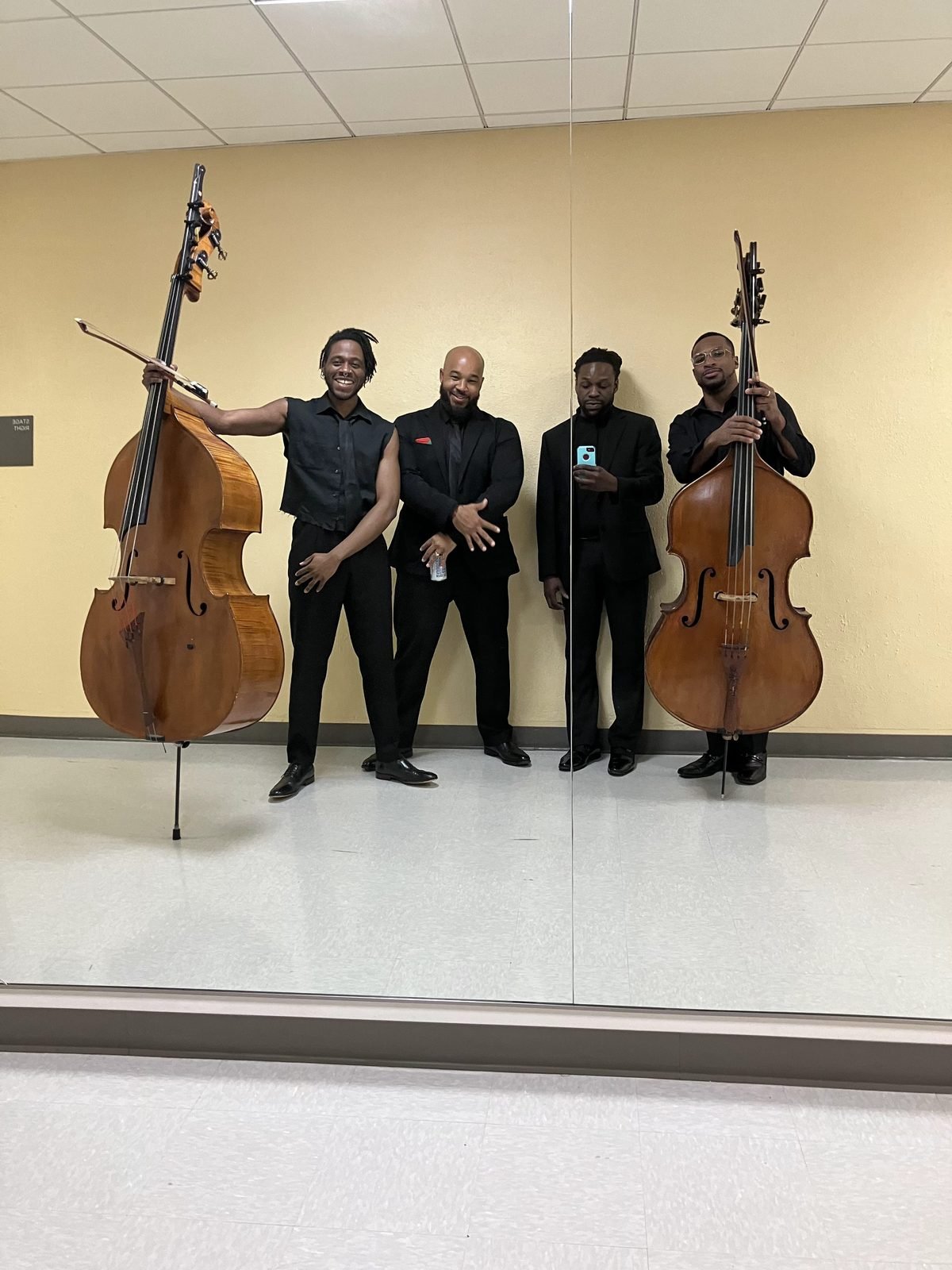
And then actually with Sphinx Virtuosi — playing with those guys is always the most humbling thing. And playing with Joe Conyers, one of the best principals I’ve ever played under — him and Hal, for sure, no question. When you’re playing in a section with Joe, it’s like he’s powering up, and the ground is shaking. So much bass, so much beef, and it’s all musical, all phrased properly, all led properly.
Playing La bohème with Hal in the opera pit — bass pits in opera is one of the craziest things to me. Just hearing Hal, every time — right place, right timing. And then you’re following after, just scared. But incredible. If you play opera, you know.
Jason: Those are the moments where you have to be totally in the moment. Once you think about it too much, you doubt everything.
Chris: Not too much to the left, not too much to the right. Just there. Nothing but net. No backboard.
New York City and Why There’s Nowhere Else
Chris: What I love about New York is the diversity of things you can do. There are 120 languages in Queens. Just all the little different spots within Brooklyn — Bushwick, Crown Heights, Williamsburg, Fort Greene. Each part is a different vibe. There’s always a deli open somewhere. You can get some batteries if you need them, a sandwich, and the train’s always running. It’s a beautiful city. My family wants me to get out of there, but good luck!
And the subbing — I love subbing with these different orchestras, because the level of playing is ridiculous. When you show up at a Philadelphia Orchestra rehearsal, even if you’re unsure, your bow just locks in with everybody. The music is big enough for you to read, and it’s a pleasure playing with those top groups. My first time subbing with the New York Phil was with Hilary Hahn. I’m like, “When am I gonna play with Hilary Hahn?” The GOAT, you know.
But if I could choose a gig in New York City and still do everything I do now, it would be the NYC Ballet. That’s my favorite gig in the city. The pit is fun. For some reason, it’s less pressure than being on stage, and everybody in the pit is super laid back.
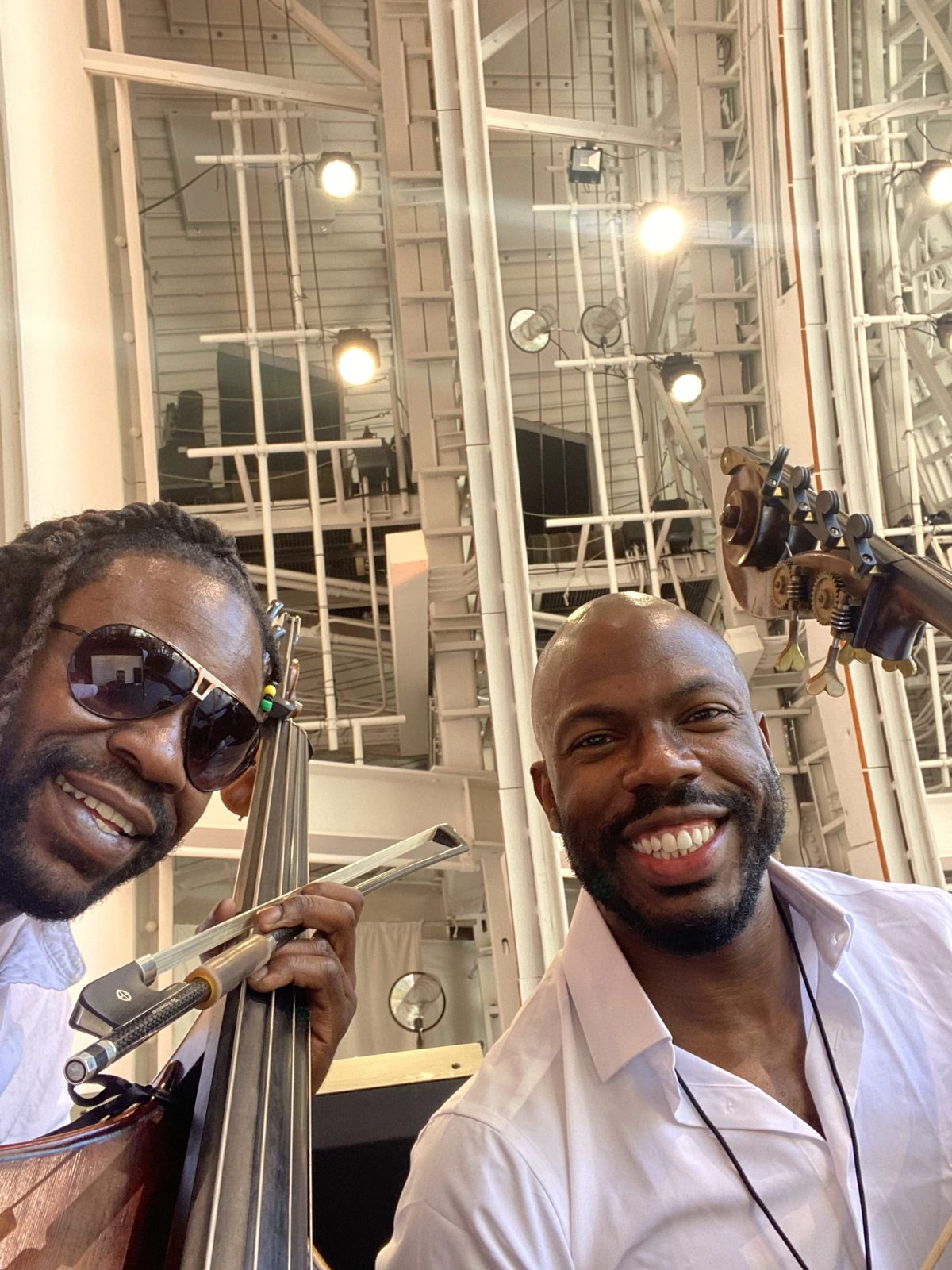
Jason: Well, Chris, it happened. We’re doing it. Any final thoughts?
Chris: Thanks for having me. I really appreciate it. And 2018 — look at that. I’m a patient guy.
Jason: Almost 10 years. But I’m so glad we were able to do it in person. Let’s do it again!
We discuss topics like this every week in our email newsletter. We also offer free monthly sheet music giveaways, community news, and all sorts of cool opportunities for bass players. If you’re not on the list, consider subscribing!